

School ofRehab Sciences
Support independence and improve quality of life
Helping someone take their first steps again after an injury. Supporting an older adult to live independently. Creating opportunities for people to stay active, engaged and connected. The School of Rehab Sciences prepares you to improve quality of life through therapeutic care, rehabilitation and person-centred practice.
Learn to make every movement matter
Rehabilitation is about helping people improve movement, independence and quality of life. At Georgian, you’ll develop practical therapeutic skills through hands-on learning, community partnerships and person-centred practice, guided by experienced clinicians who bring current rehabilitation practice and real-world experience into your learning.
Purpose-built learning environments
Learn at the Sadlon Centre for Health, Wellness and Sciences, with specialized labs and clinical learning spaces designed to support rehabilitation and therapeutic education.
Hands-on therapeutic practice
Develop practical assessment, treatment and therapeutic intervention skills through hands-on learning before entering placement settings.
Community partnerships
Build experience through partnerships with rehabilitation centres, community organizations, long-term care providers and healthcare agencies that support applied learning.
Explore rehab sciences programs
Health sciences brings together diagnostic, laboratory, emergency care and allied health professions that support patients and healthcare teams. Explore programs that prepare you to apply science, technology and practical skills across clinical, laboratory and community healthcare environments.
REHABILITATION AND THERAPEUTIC CARE
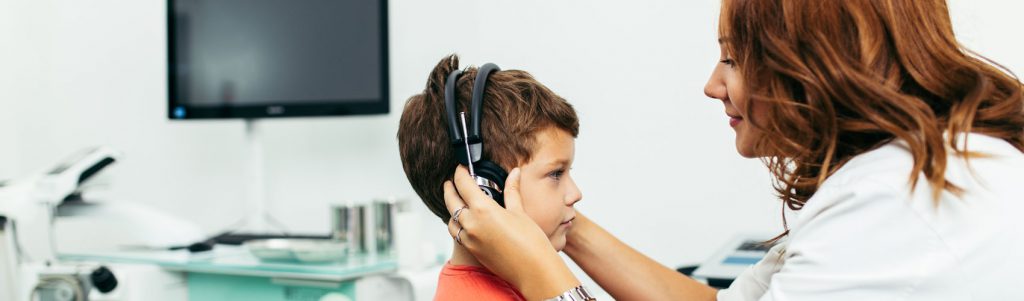
Develop practical skills to support movement, communication, physical function and wellbeing through rehabilitation and therapeutic care.
Occupational Therapist Assistant and Physiotherapist Assistant
Learning experience
Rehabilitation is learned by working with people. Throughout your studies, you’ll develop practical therapeutic skills, apply evidence-informed techniques and gain experience supporting individuals across a variety of healthcare and community settings.
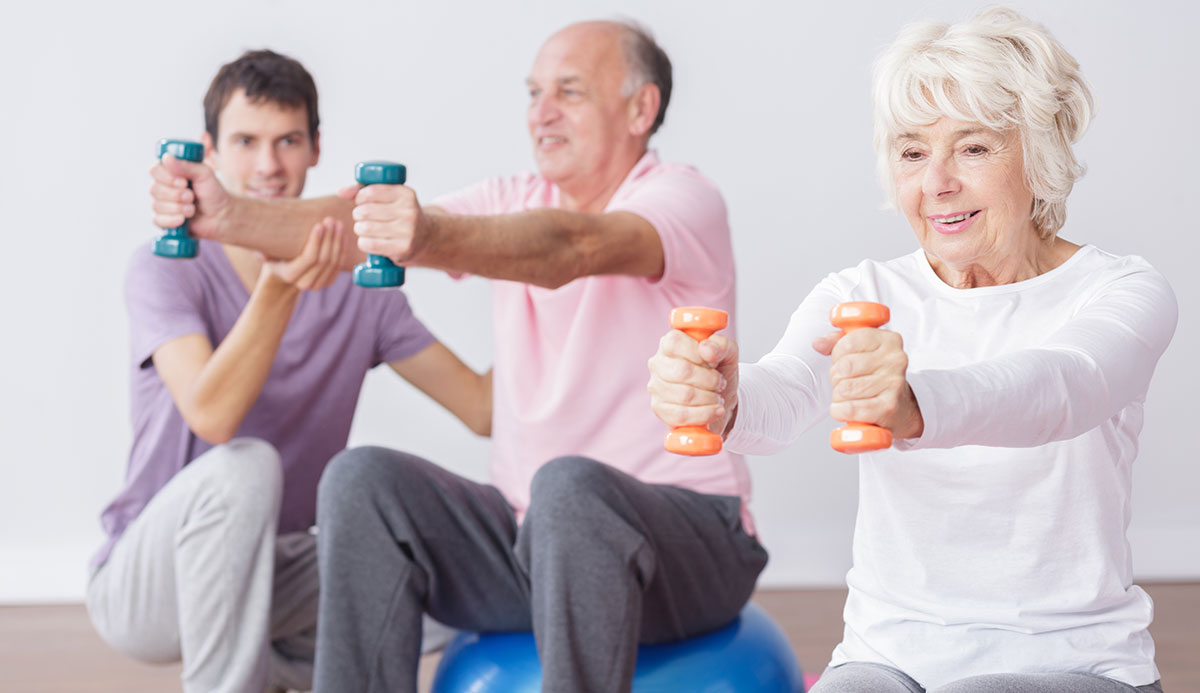
Therapeutic practice
Develop practical assessment, treatment and therapeutic intervention skills through hands-on labs, simulations and guided skill development.
Community and clinical placements
Gain practical experience through placements in rehabilitation, community and healthcare settings to apply your skills.
Person-centred care
Learn to work collaboratively with individuals, families and teams to develop care plans that support meaningful participation and independence.

Where could rehab sciences take you?
Recovery
Help people recover from illness, injury or changes in health by supporting rehabilitation and functional improvement.
Support recovery and functional improvement
- Movement and mobility
- Rehabilitation after illness or injury
- Everyday function and participation
Independence
Empower individuals to build the skills and confidence needed to live, work and participate more independently.
Promote greater independence in daily life
- Activities of daily living
- Community and social participation
- Skills for independent living
Well-being
Promote physical, emotional and social well-being through therapeutic care that supports long-term health and quality of life.
Support physical, emotional and social well-being
- Therapeutic recreation and leisure
- Active and health living
- Meaningful participation and quality of life
Join a community focused on helping people thrive
Rehab Sciences students are united by a shared commitment to improving independence, participation and quality of life. You’ll learn alongside classmates who value empathy, collaboration and person-centred care.
Students may also broaden their perspectives through opportunities such as international learning experiences and community initiatives that encourage collaboration while exploring rehabilitation in different settings.
Katie was missing the admission requirements, learn how a unique initiative and her two kids inspired a fierce determination to turn her goals into reality.
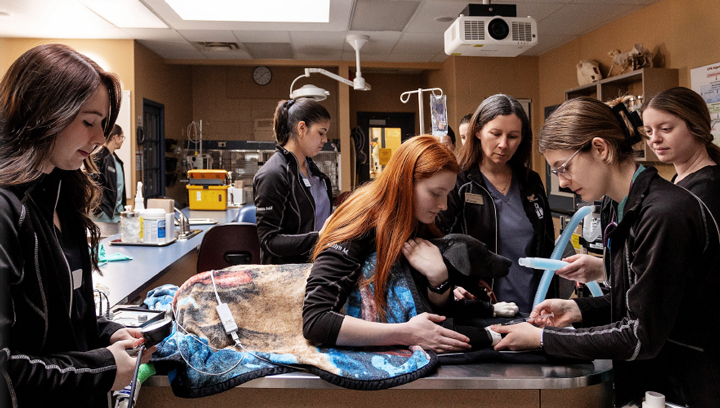
Connected through the Faculty of Health, Wellness and Sciences
Learn alongside future nurses, health science professionals, oral health practitioners, veterinary professionals and wellness specialists while gaining an understanding of how collaborative healthcare teams improve patient outcomes and quality of life.
Schools within this faculty
Related interests
Rehabilitation sciences connect with many areas of health and community care. If you’re interested in helping people improve their health, independence and quality of life in different ways, these related areas of interest may also interest you.
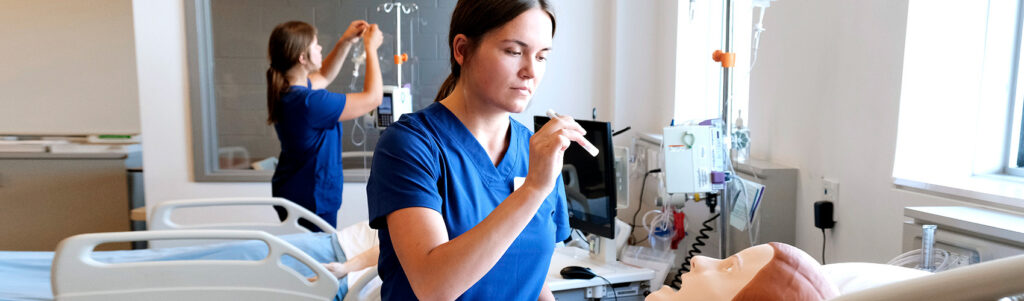
Nursing and Patient Care
Discover pathways in compassionate patient care.

Mental Health and Addictions
Support mental health and substance use challenges.

Recreation, Sports and Fitness
Help people stay active, healthy and engaged.


Attend a virtual information session.
Learn more and RSVP

Book a phone appointment.
Talk with a recruiter

Explore campus and learn about programs.
Learn more and RSVP

Take a guided, in-person tour.
Book a campus tour